Nubian Museum

It is one of the most important cultural institutions that preserves the history and heritage of Nubia. The museum was opened in 1997 in cooperation between Egypt and UNESCO to stand as a testament to a civilization that spans thousands of years.

Read More
information about Nubian Museum

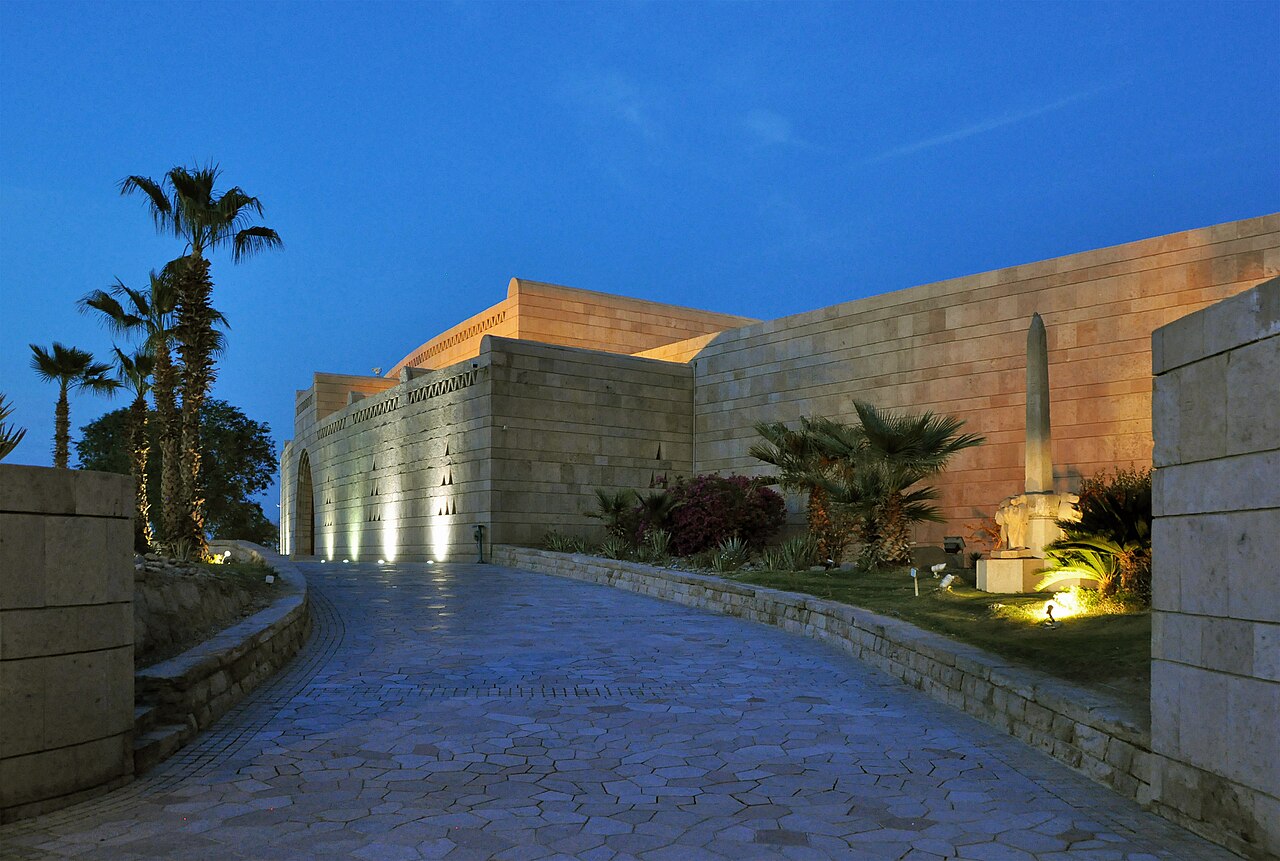
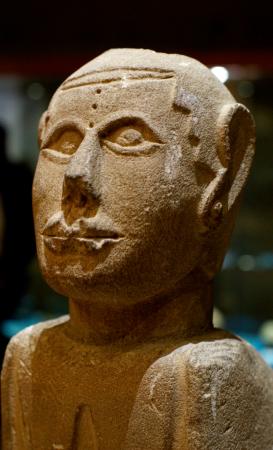
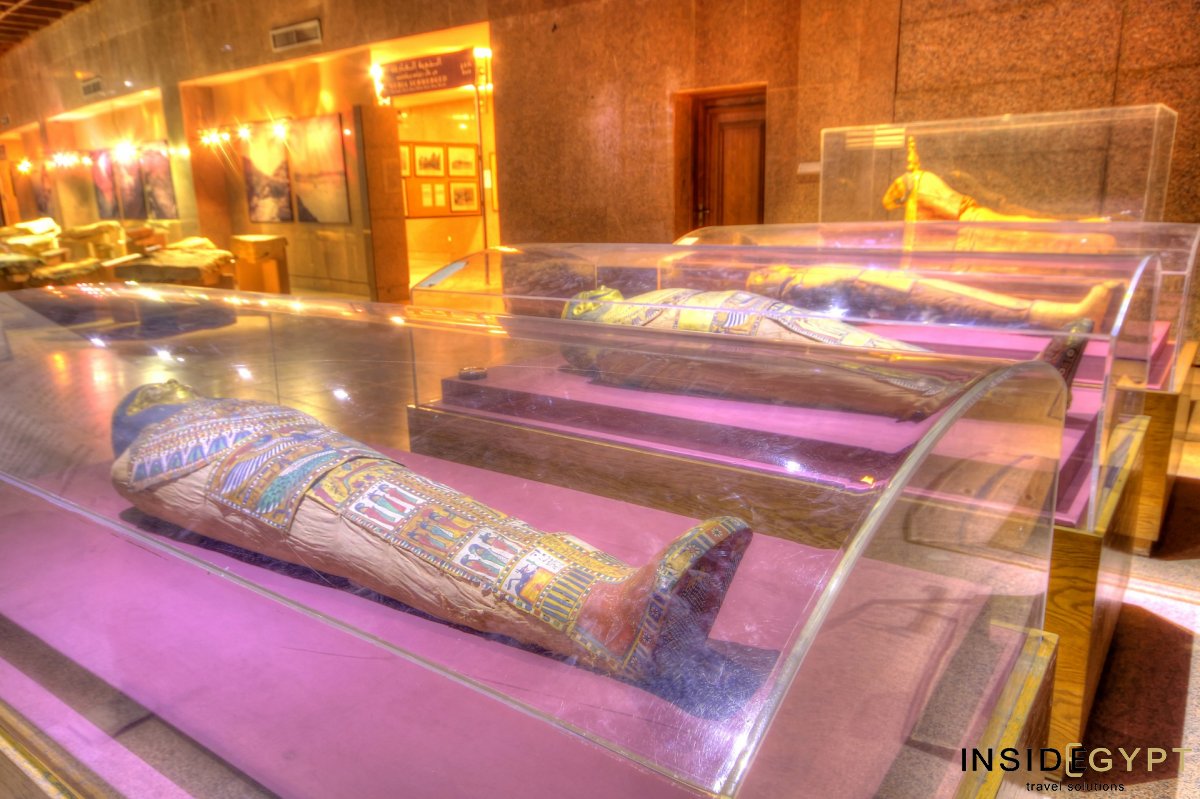
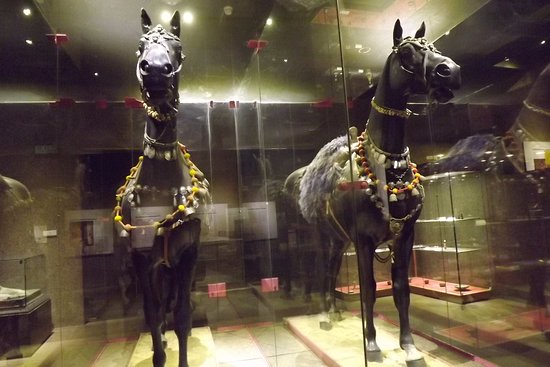
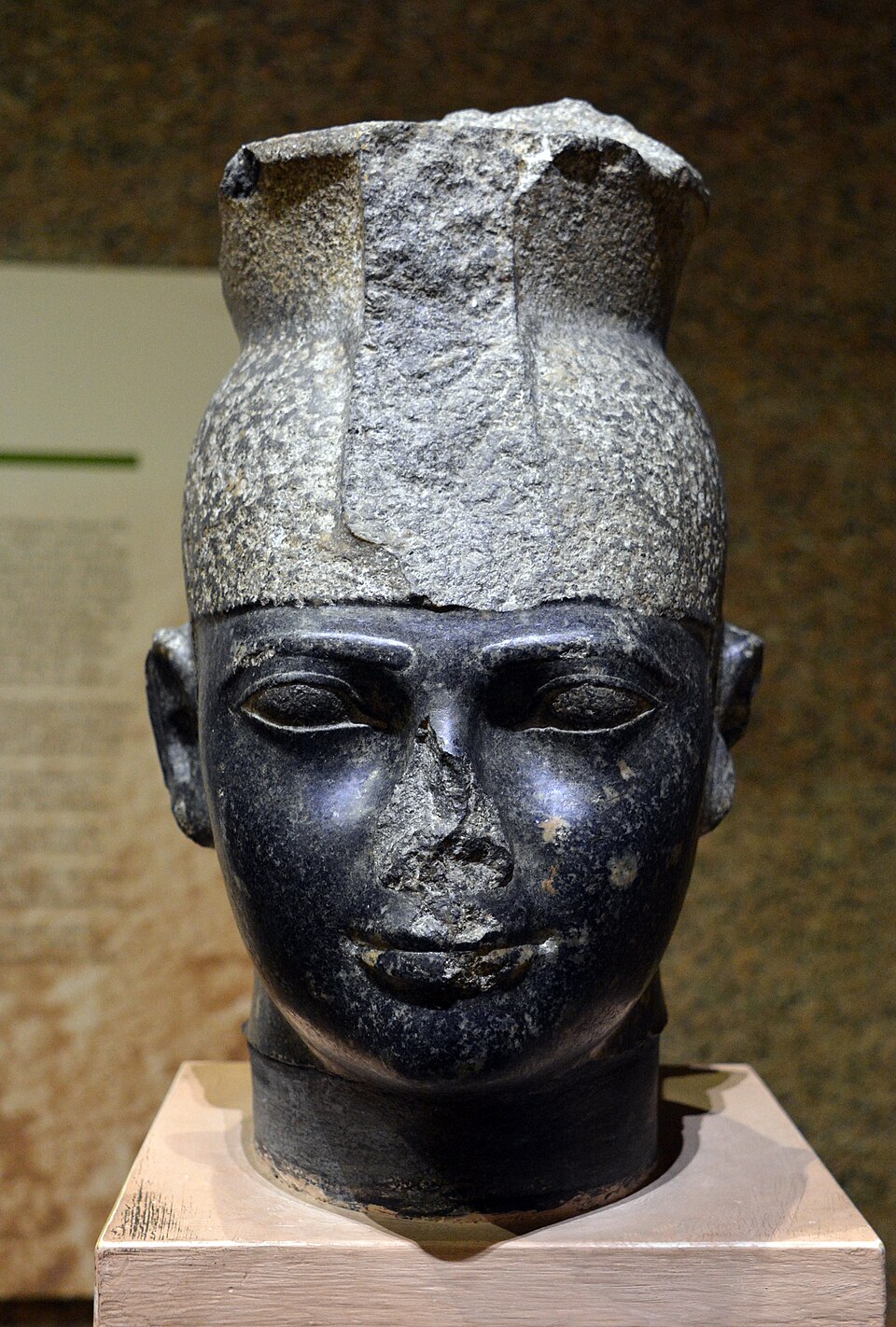
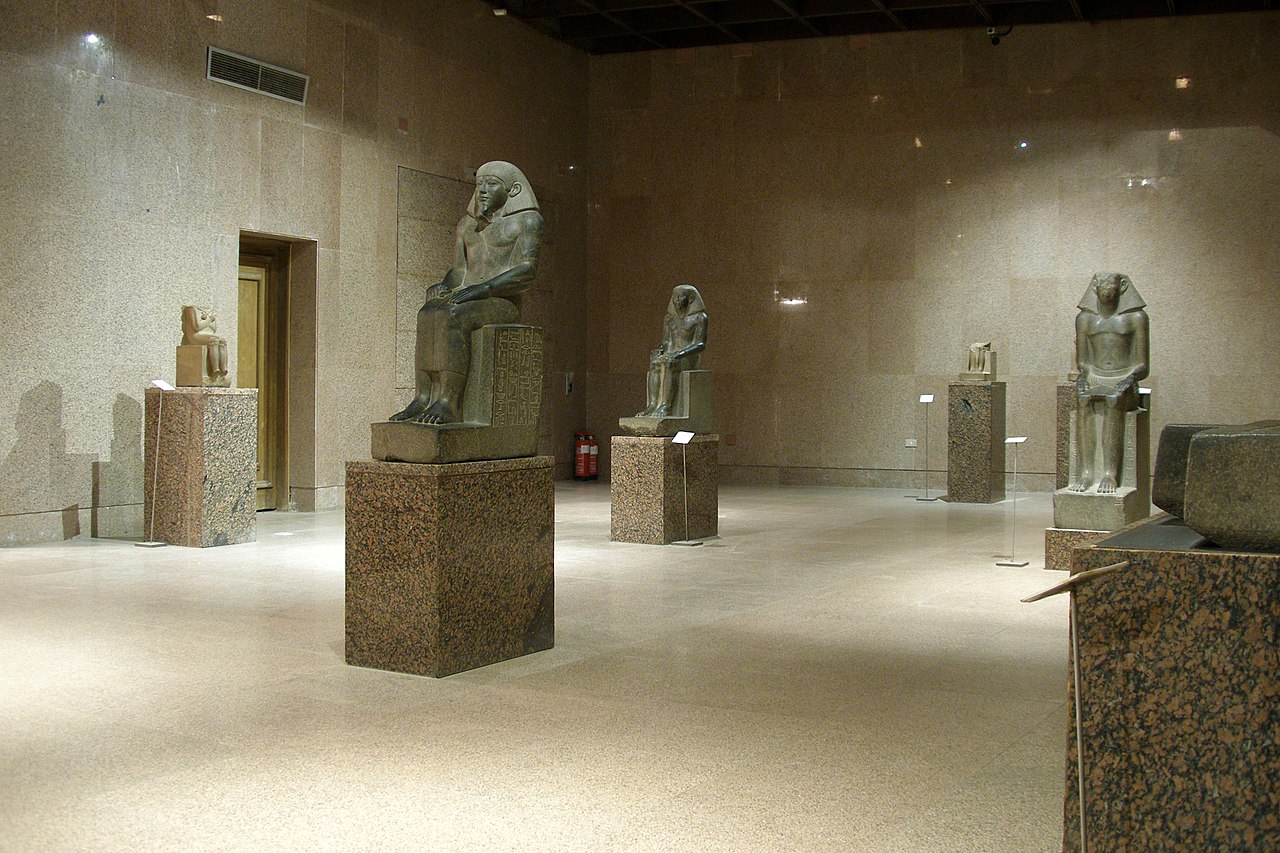
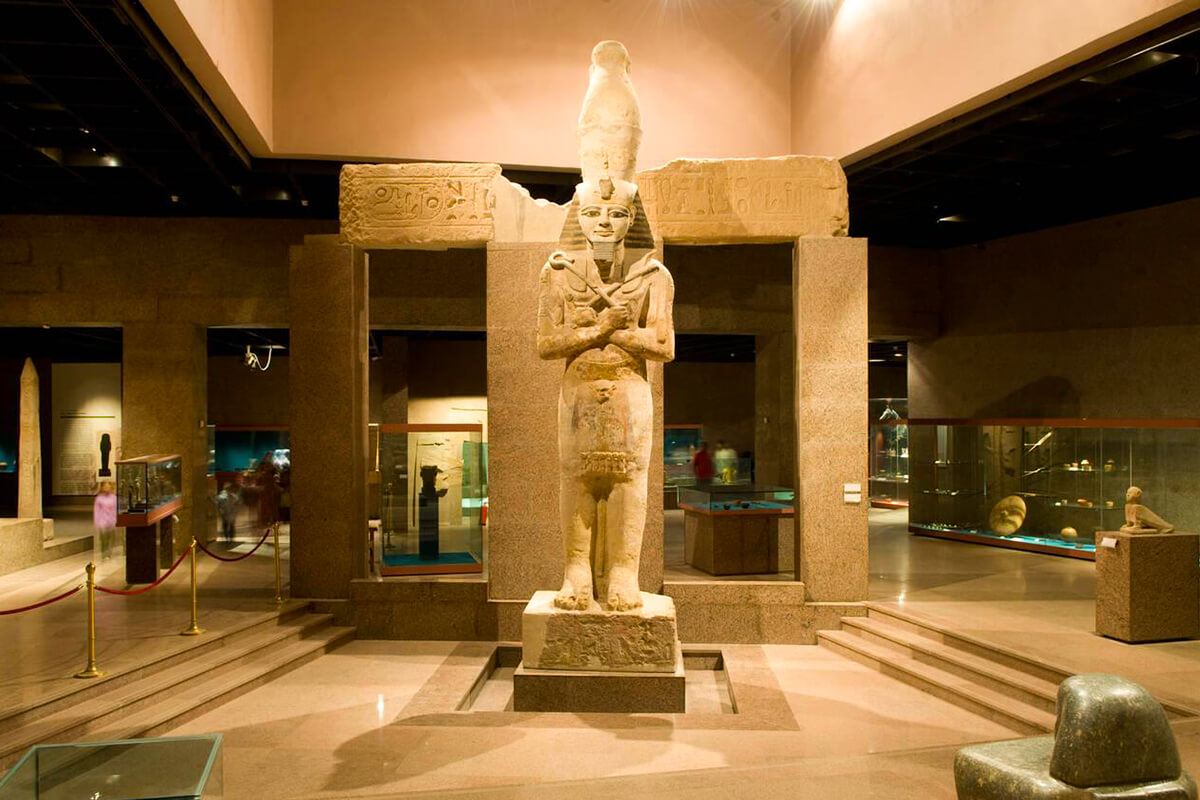
The museum is distinguished by its architectural design, which reflects authentic Nubian style, blending sandstone, domes, and the natural slopes of the hill on which the structure stands, making the visit a unique visual and spatial experience. The museum houses a vast collection of artifacts representing different phases of Nubian history, starting from prehistoric periods, through the kingdoms of Napata and Meroë, and extending into the Pharaonic, Coptic, Islamic, and modern Nubian eras. These objects are displayed in a way that highlights the evolution of civilization, architecture, art, and social customs. The museum's outdoor garden also includes architectural scenes and models of Nubian temples, along with panels illustrating the story of the High Dam’s construction and the history of Nubian displacement. Beyond being a venue for showcasing antiquities, the museum serves as a research and academic center that attracts scholars and those interested in Nubian history from around the world. It also stands as a symbol of Nubian identity, which has preserved its language, arts, and traditional clothing despite many changes. Located in a prime area of Aswan near Elephantine Island, the Nubian Museum is a major destination for visitors wishing to explore this rich and vital part of Egypt’s cultural heritage..

The unique geographical location, Pharaonic landmarks, and natural scenery


It is located next to the Fatimid domes (Fatimid tombs) on a high hill in Aswan.


AI Icon
مرحباً أنا امبيسا مساعدك الرقمي، والمصمم للإجابة على أسئلتك حول معلومات وخدمات مدينة أسوان.