The Fatimid Cemetery
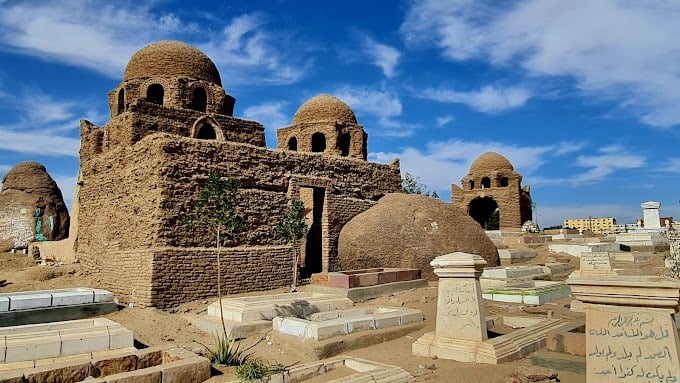
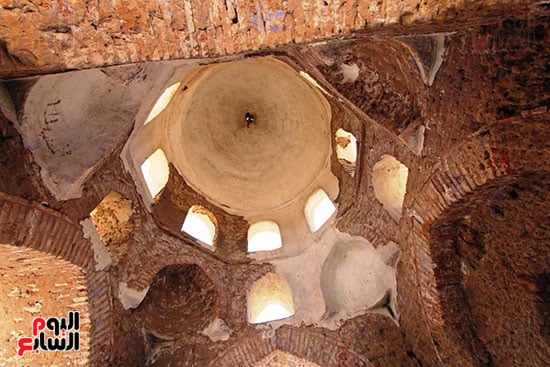
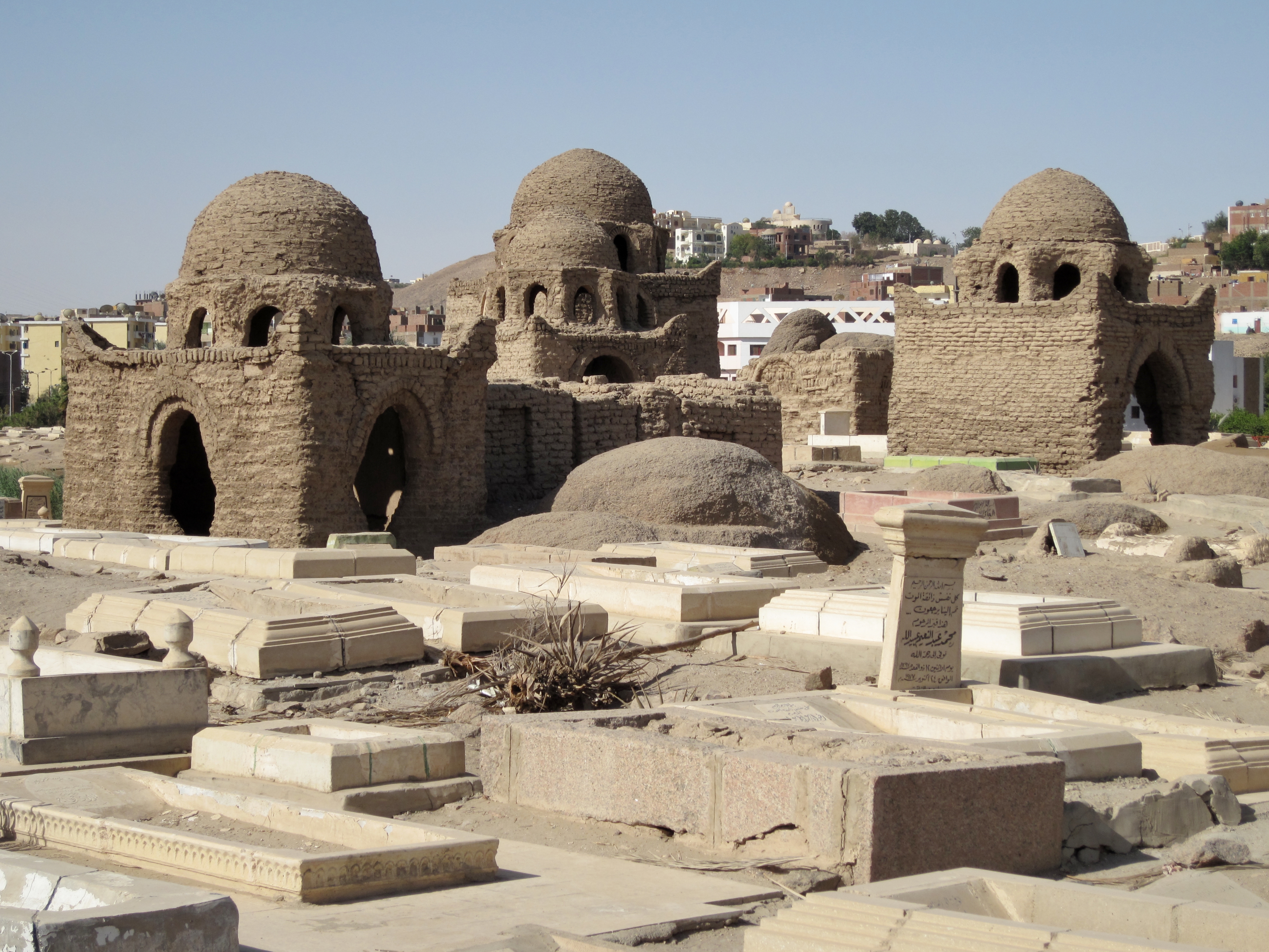
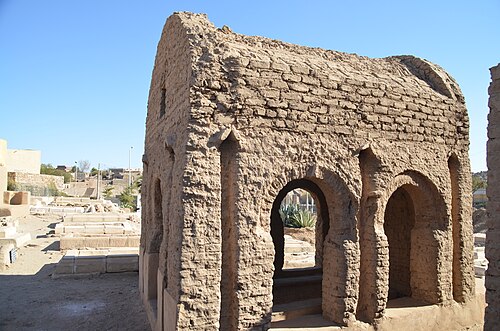
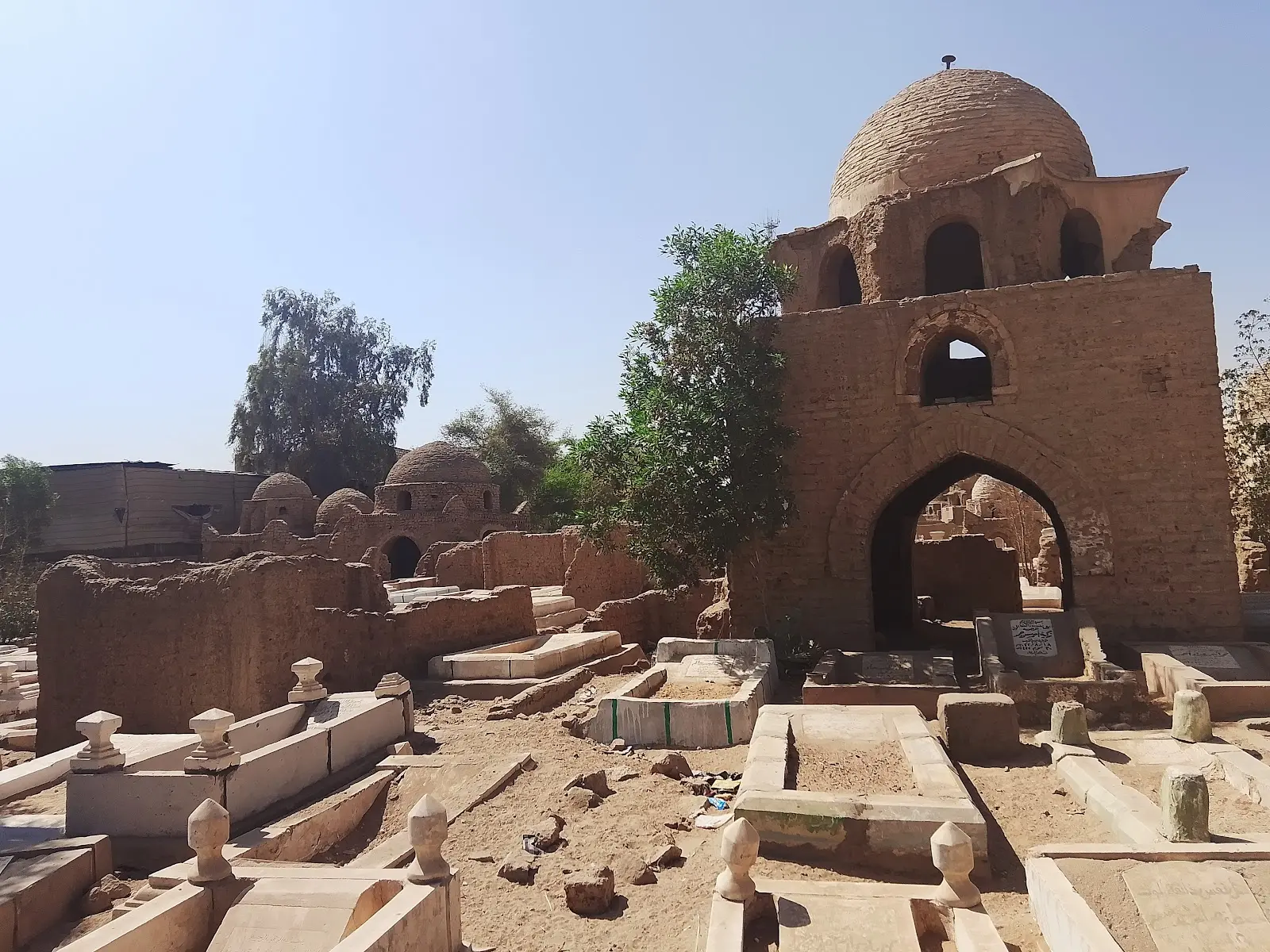
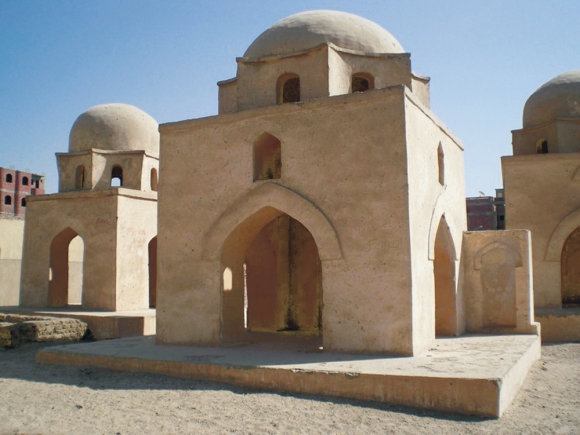
It is distinguished by its unique historical domes and stands as a testament to the development of early Islamic architecture in Egypt, which includes domes, arches, and decorative inscriptions in Arabic.
Read MoreIt is distinguished by its unique historical domes and stands as a testament to the development of early Islamic architecture in Egypt, which includes domes, arches, and decorative inscriptions in Arabic.
Read MoreThe Fatimid Cemetery in Aswan is one of the most important historical and archaeological sites in southern Egypt. It reflects the presence and influence of the Fatimid era in Upper Egypt, particularly in Aswan, which was an important center for trade and culture. The cemetery contains a collection of tombs and mausoleums that date back to the Fatimid period, featuring Islamic architectural styles such as domes, arches, and decorative inscriptions in Arabic calligraphy. The site provides insight into the funerary practices, social structures, and religious beliefs of the time. Many tombs belong to prominent figures, scholars, and local leaders, highlighting the historical significance of Aswan as a cultural and political hub during the Fatimid dynasty. Today, the cemetery is not only a place of historical interest but also a symbol of the enduring Islamic heritage in Upper Egypt, attracting researchers, historians, and tourists who wish to explore the region's rich past.