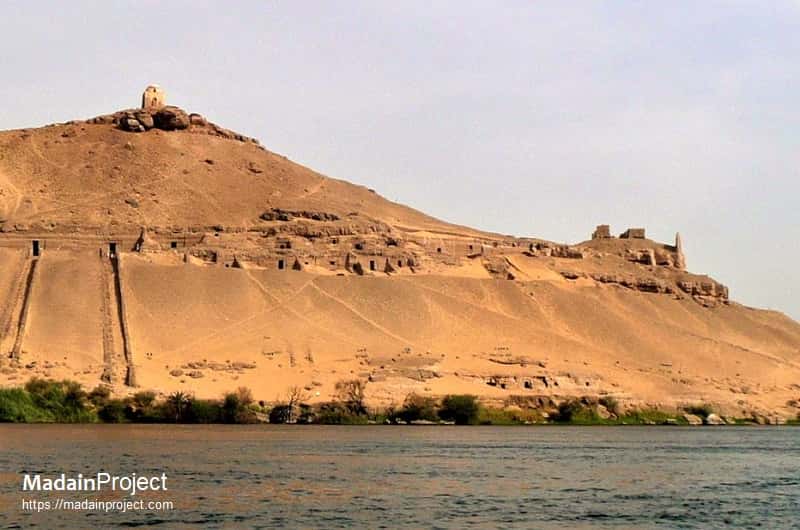
Abu al-Hawa Dome
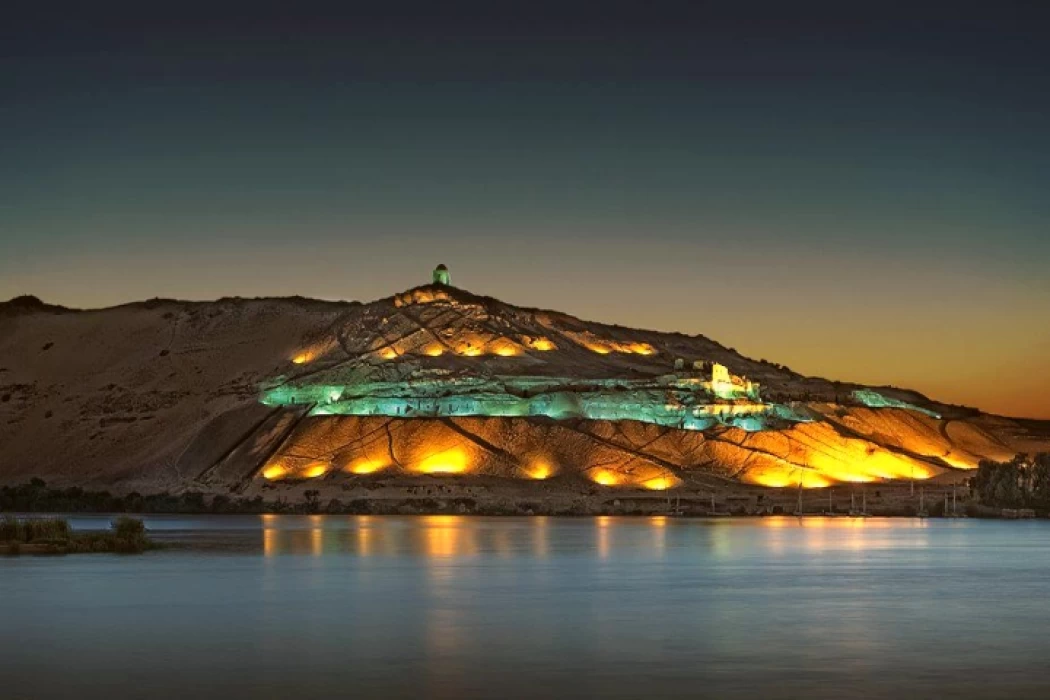
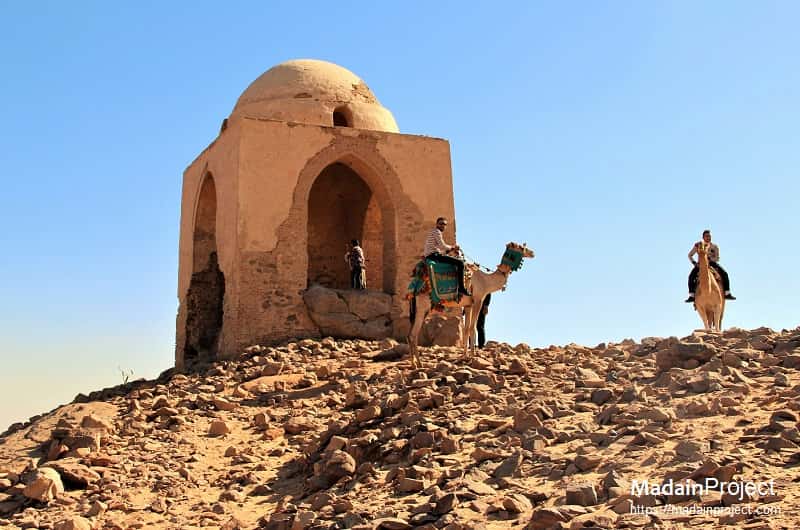
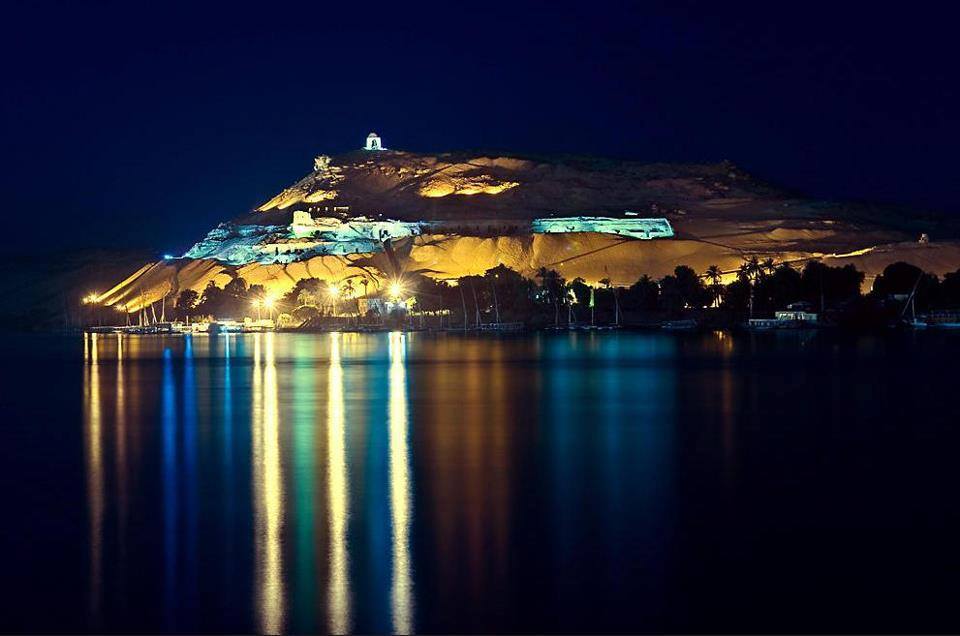
This hill is located on the west bank of the Nile River in Aswan, and it is named after the shrine of Sheikh Ali Abu al-Hawa, which is located on its summit.
Read MoreThis hill is located on the west bank of the Nile River in Aswan, and it is named after the shrine of Sheikh Ali Abu al-Hawa, which is located on its summit.
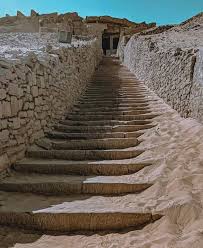
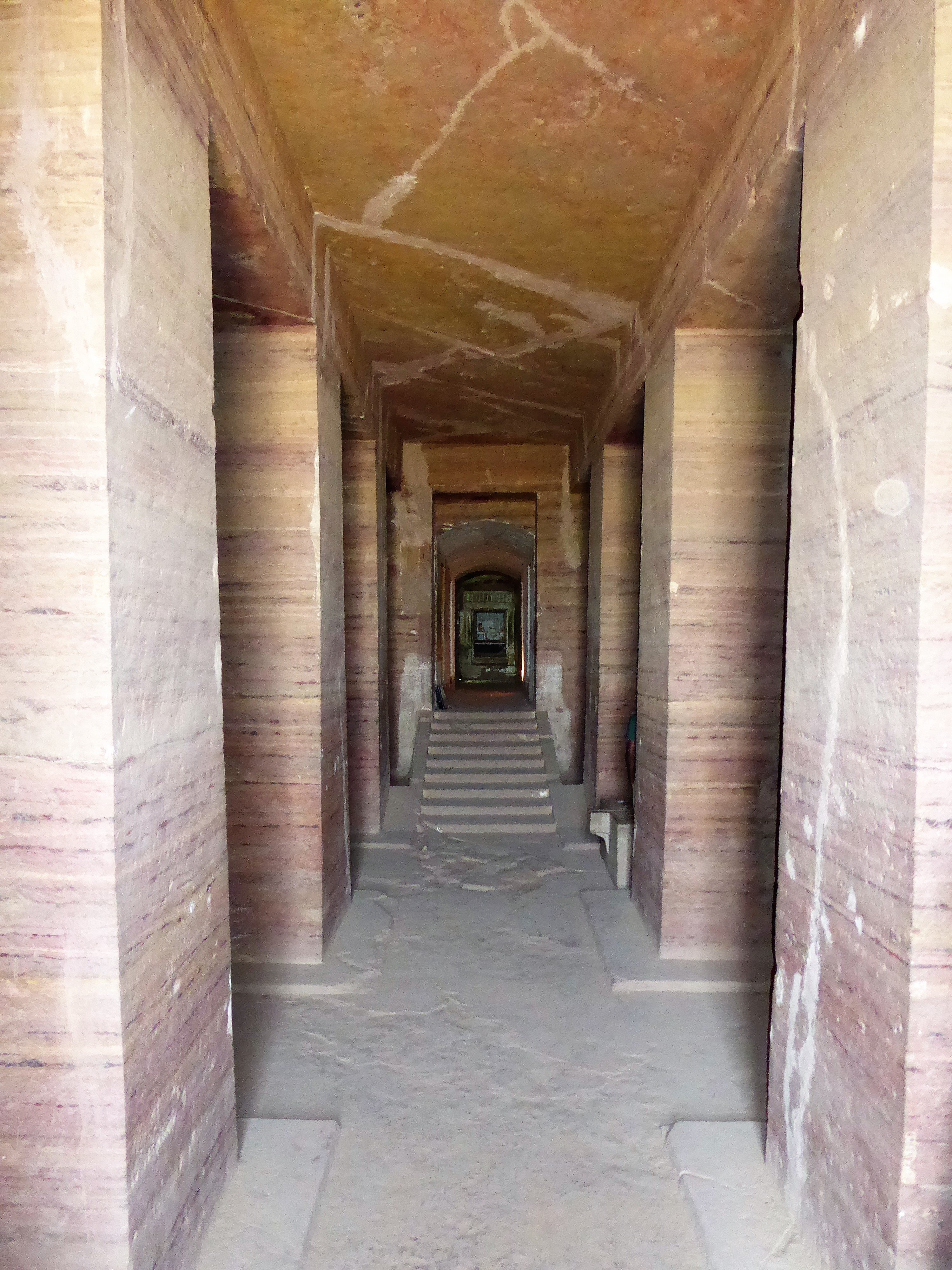
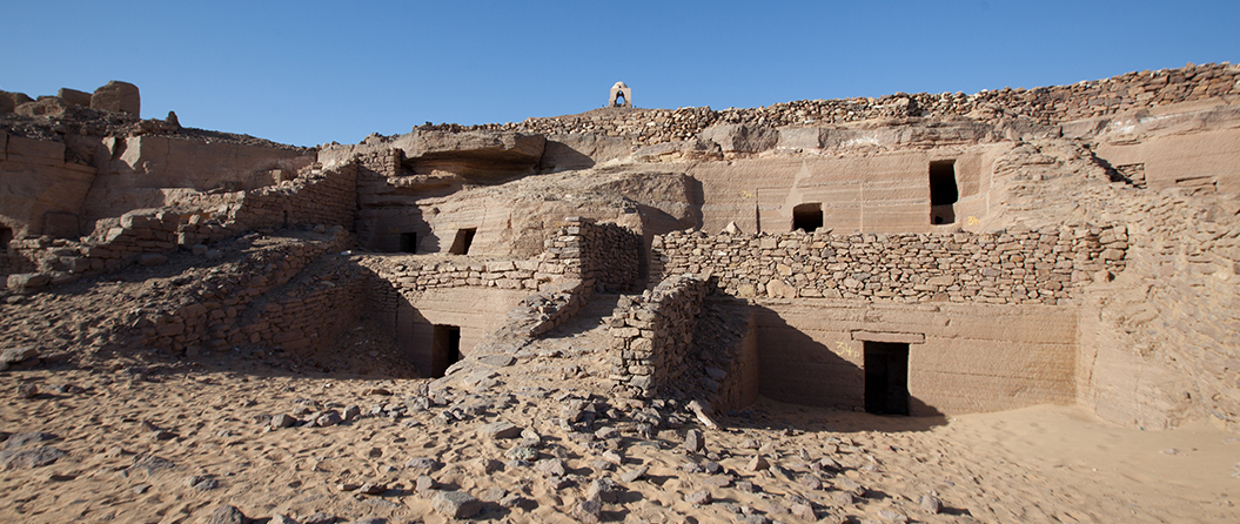
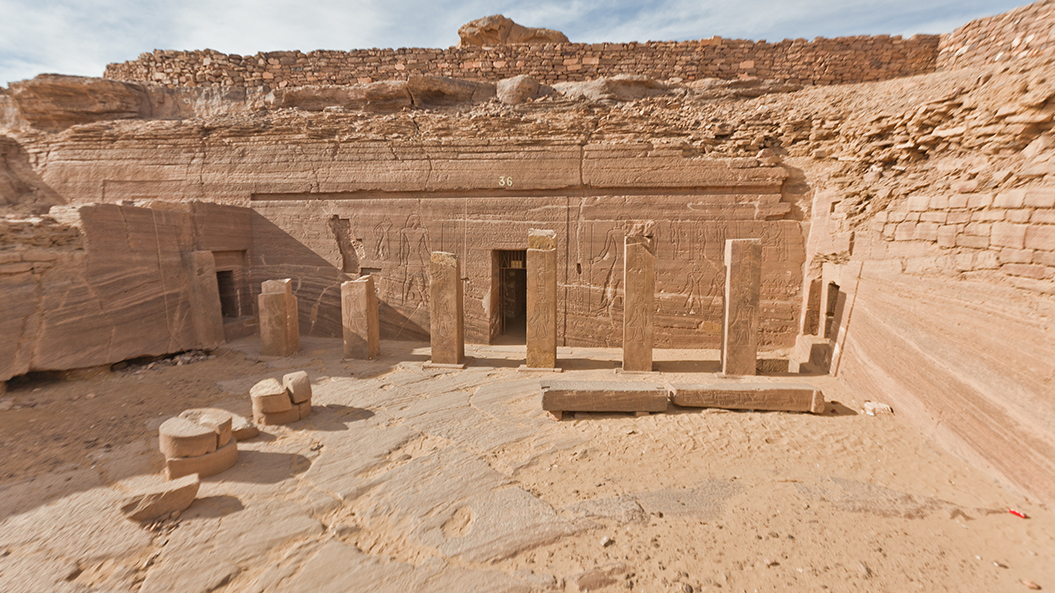
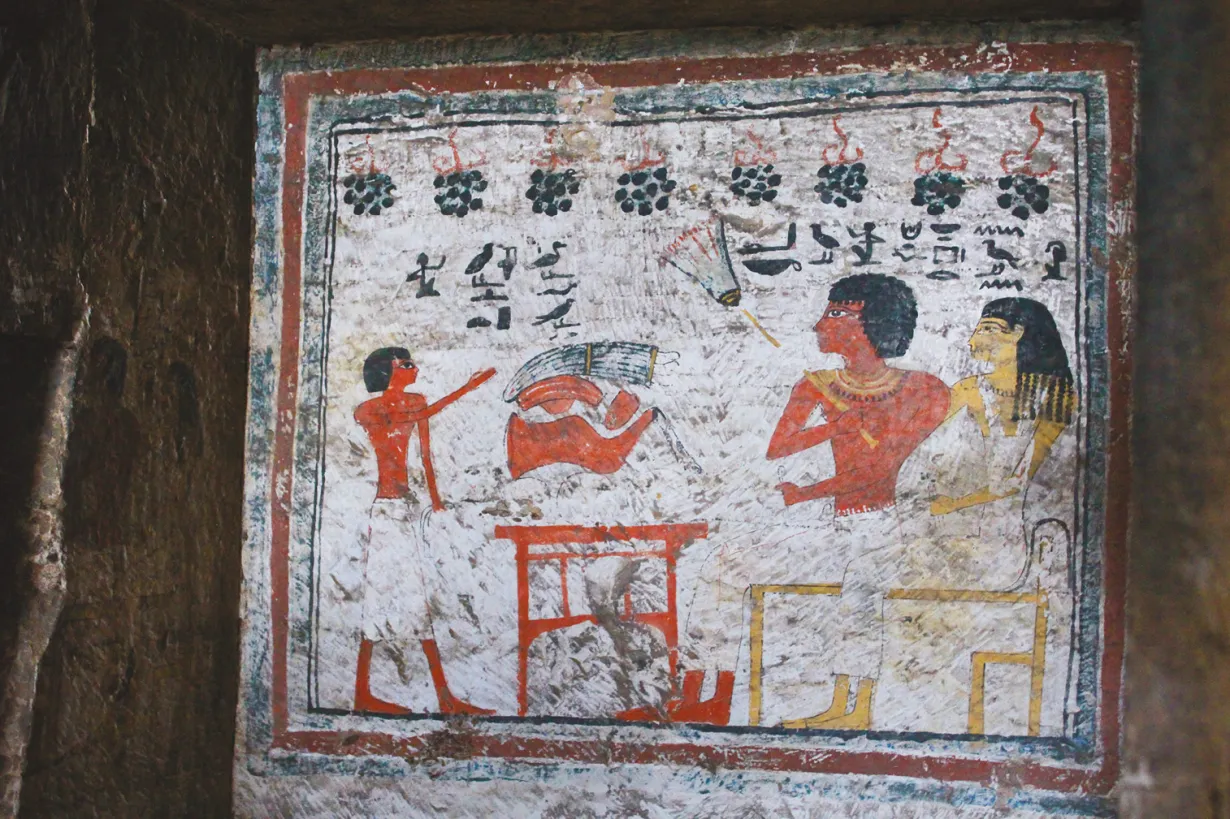
Read MoreAbu al‑Hawa Dome is located in Aswan on the western bank of the Nile and is considered one of the most prominent archaeological sites in Upper Egypt. It serves as a natural tomb complex and rock-cut cemetery used by the pharaohs and high officials during the ancient period, particularly governors of the southern region. The site is known for its unique rocky formations, naturally shaped like domes, which gave the location its distinctive name. The area contains a large number of rock-cut tombs adorned with hieroglyphic inscriptions and paintings depicting daily life and religious beliefs of the ancient Egyptians, including burial rituals and ceremonies related to the afterlife. In addition, the site overlooks the Nile River, offering breathtaking natural views and reflecting its strategic importance in controlling ancient transportation and navigation routes. Abu al‑Hawa Dome is not just an archaeological site but a living testament to funerary architecture and art in ancient Egypt, highlighting the lives of high-ranking officials and nobles during the pharaonic era. Today, the site attracts both researchers and tourists, allowing visitors to explore the tombs, examine inscriptions and artifacts, and enjoy the stunning natural scenery surrounding the dome, making it a unique blend of history, art, and nature in the heart of Upper Egypt..
.jpeg)
.jpeg)