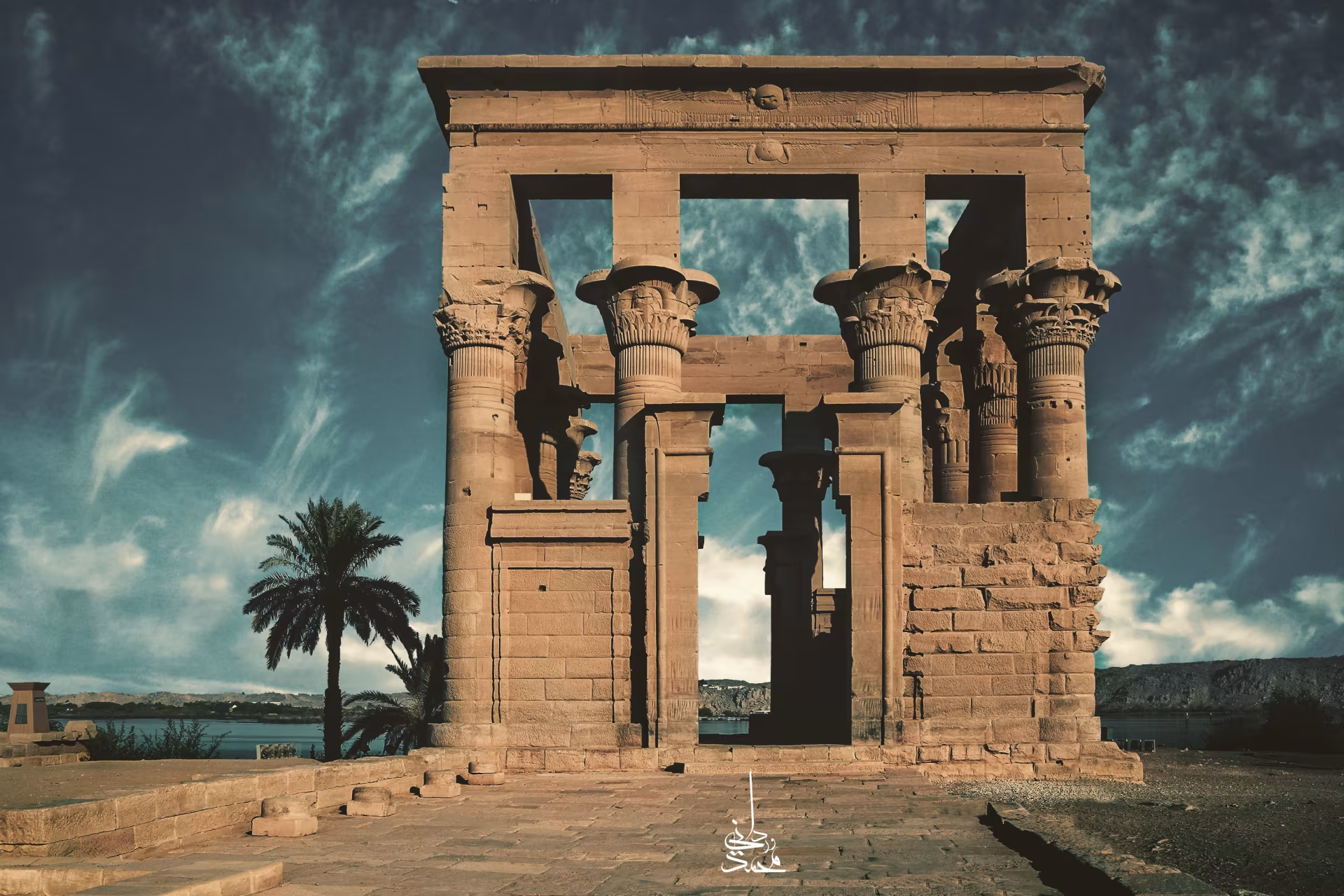
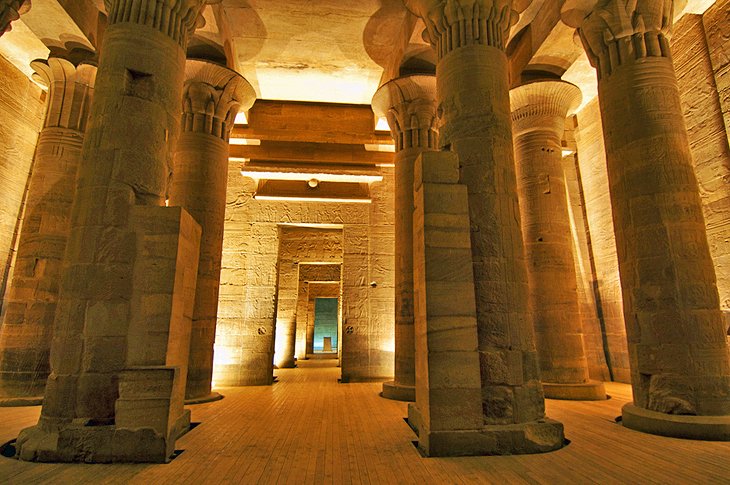
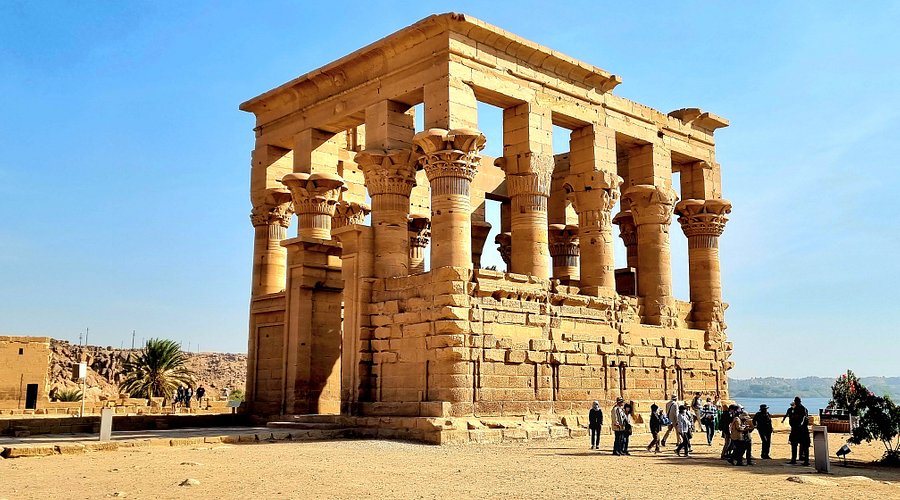
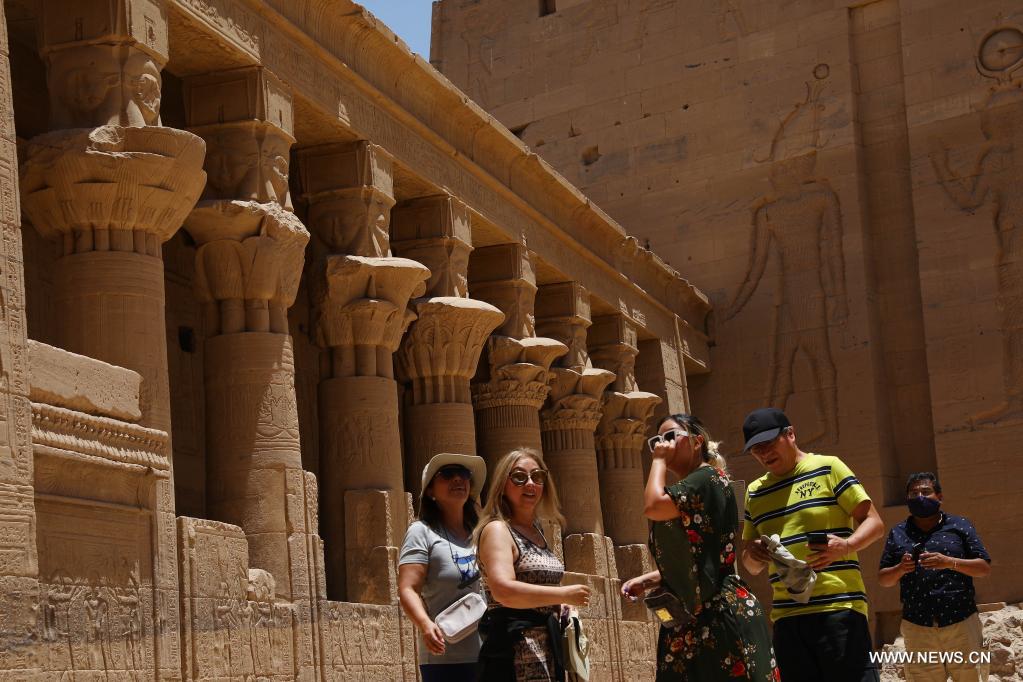
Philae Temple

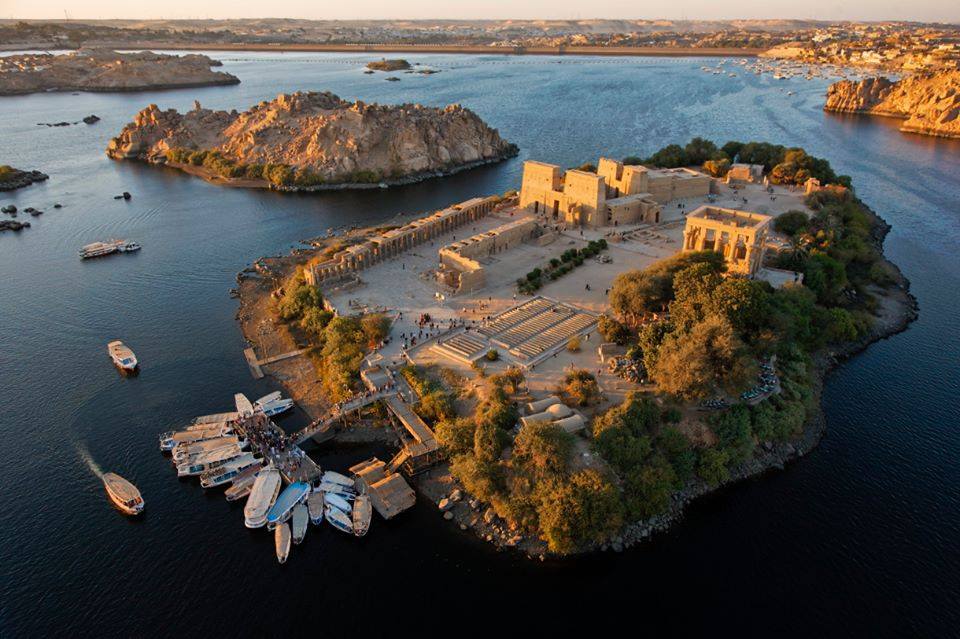
famous for its beautiful island setting and intricate carvings, notably relocated to Agilkia Island by UNESCO to save it from flooding by the Aswan High Dam, offering visitors a magical boat ride and a glimpse into ancient worship until the 6th century AD

Read More
information about Philae Temple

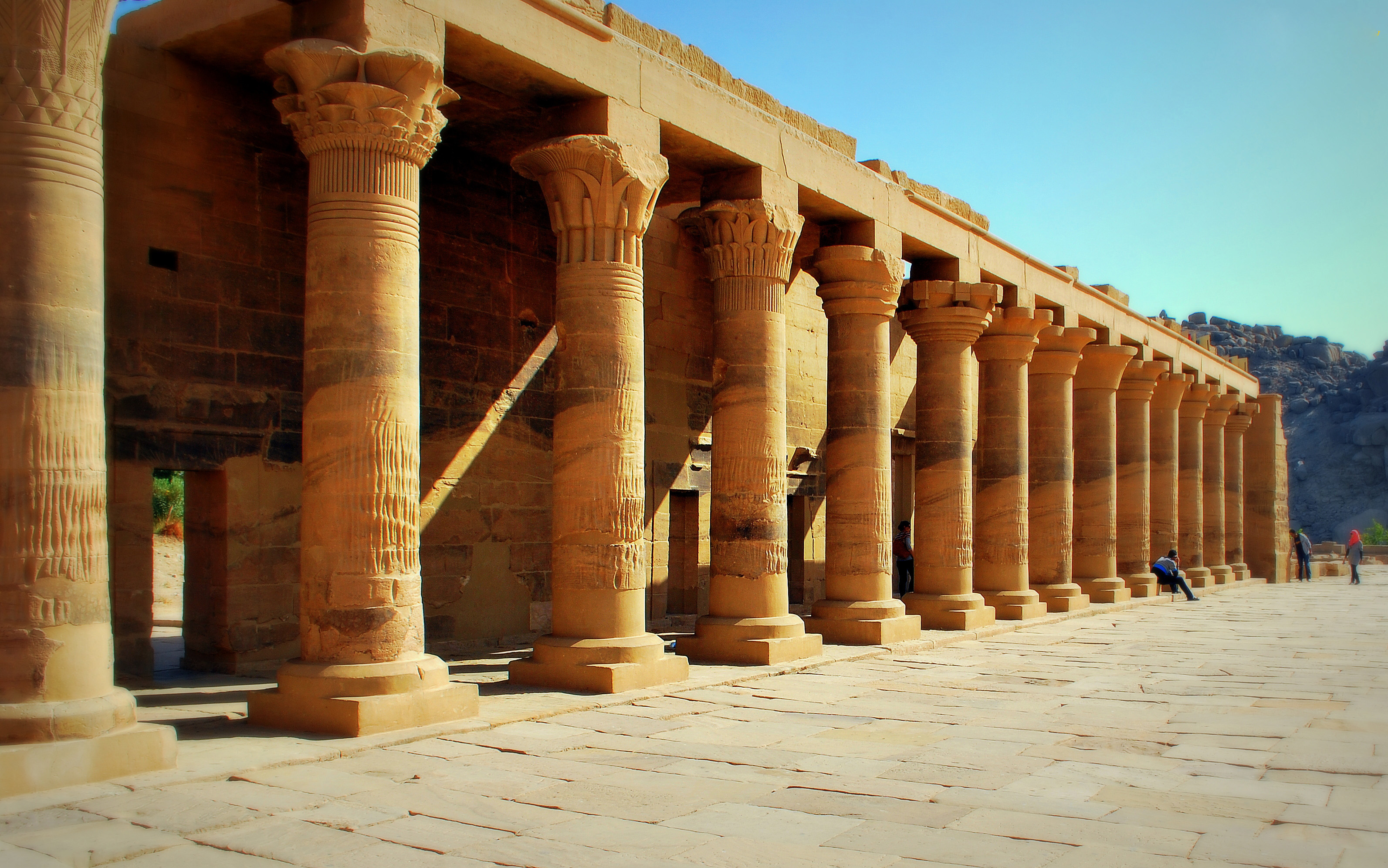
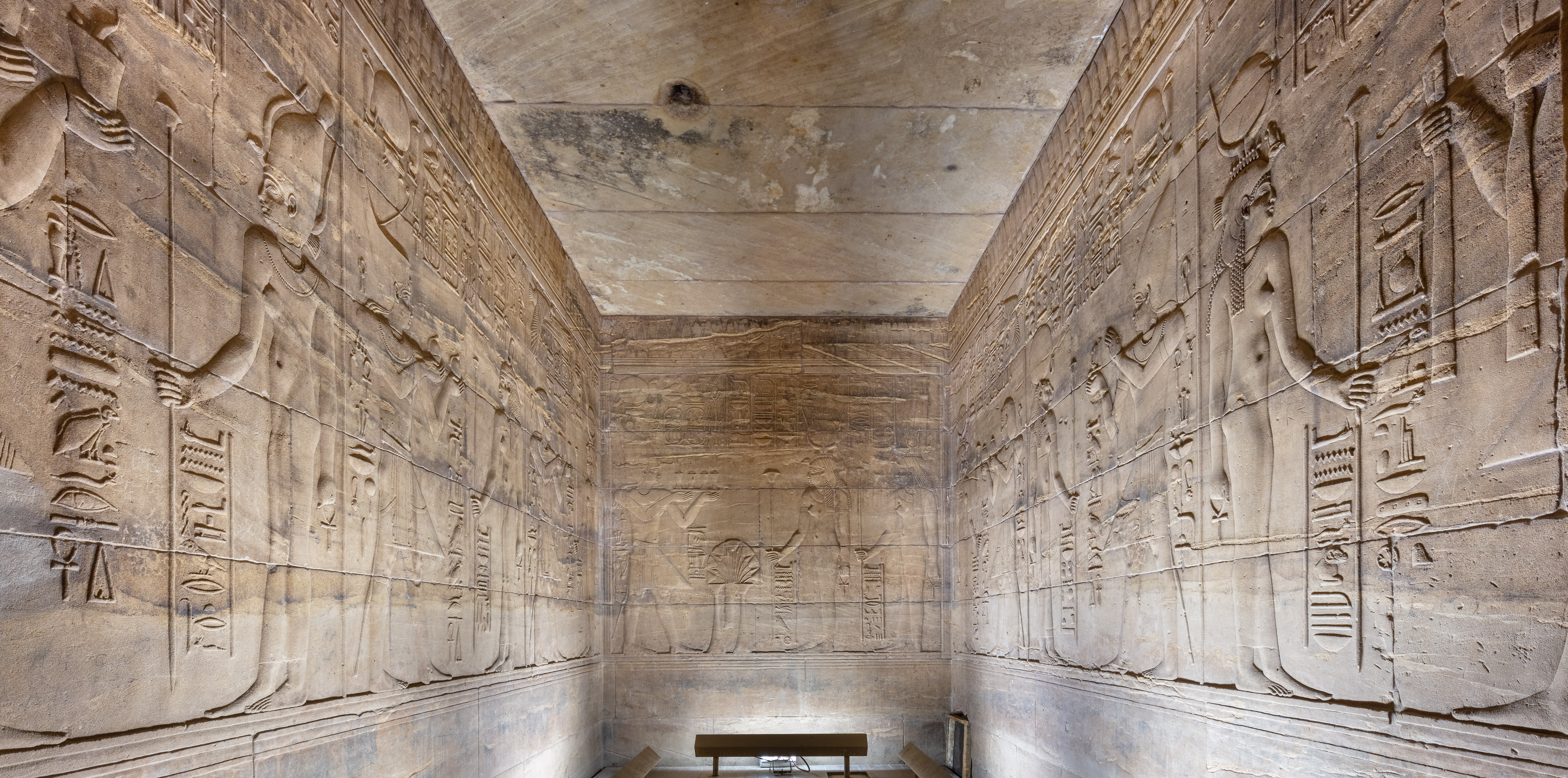
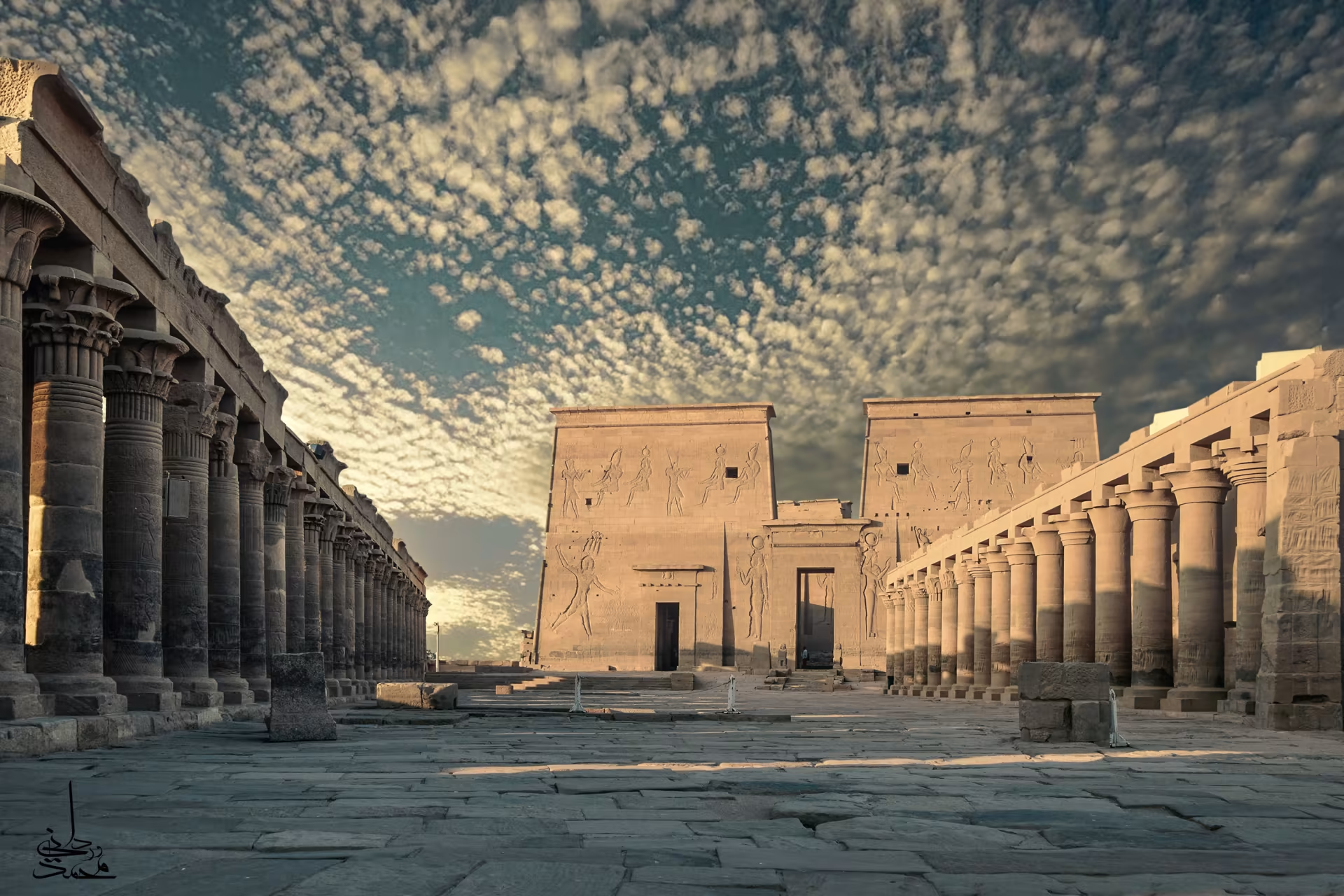
Philae Temple is considered one of the most important ancient Egyptian temples closely associated with the worship of the goddess Isis. Its sanctity flourished during the Graeco-Roman period, surpassing the fame of many other cities of ancient Egypt. The temple is located on Philae Island south of Aswan, within the land of Nubia, which made it a spiritual center shared by both Egyptians and Nubians, who revered Isis as a symbol of motherhood, power, and magic. The island’s prominence began to grow during the Saite Period, and later the Ptolemies made it a major center for religious rituals. Ptolemy II initiated the construction of the main temple dedicated to Isis, and additional temples were built around it—one for Osiris on Bigeh Island, another for Horus, her son, and a shrine for Imhotep, who had become a god of medicine. There were also temples dedicated to Nubian deities such as Mandulis and Arhesnoter. The temple was not merely a collection of stone structures; it served as a living stage for the myth of Isis and Osiris, which the Egyptians believed represented the eternal struggle between good and evil. People believed that Isis restored her husband Osiris through her magical knowledge, and that her tear transformed the Nile flood into a source of life. Visitors flocked to the island to witness rituals performed by the priests who reenacted the death and resurrection of Osiris, presenting the image of the goddess Isis in an atmosphere of reverence. Over time, the priests of Philae sought to expand their influence, relying on a forged inscription on Seheil Island claiming that King Djoser had granted them vast lands south of Aswan to end a long famine. They used this claim to impose taxes on fishermen and those living along the Nile, thus increasing the wealth and economic power of the temple. Despite political changes, Philae Temple remained an important center of Egyptian spirituality until the later periods, and today it stands as a lasting witness to the strength of myth and its deep impact on ancient Egyptian civilization. .

The unique geographical location, Pharaonic landmarks, and natural scenery


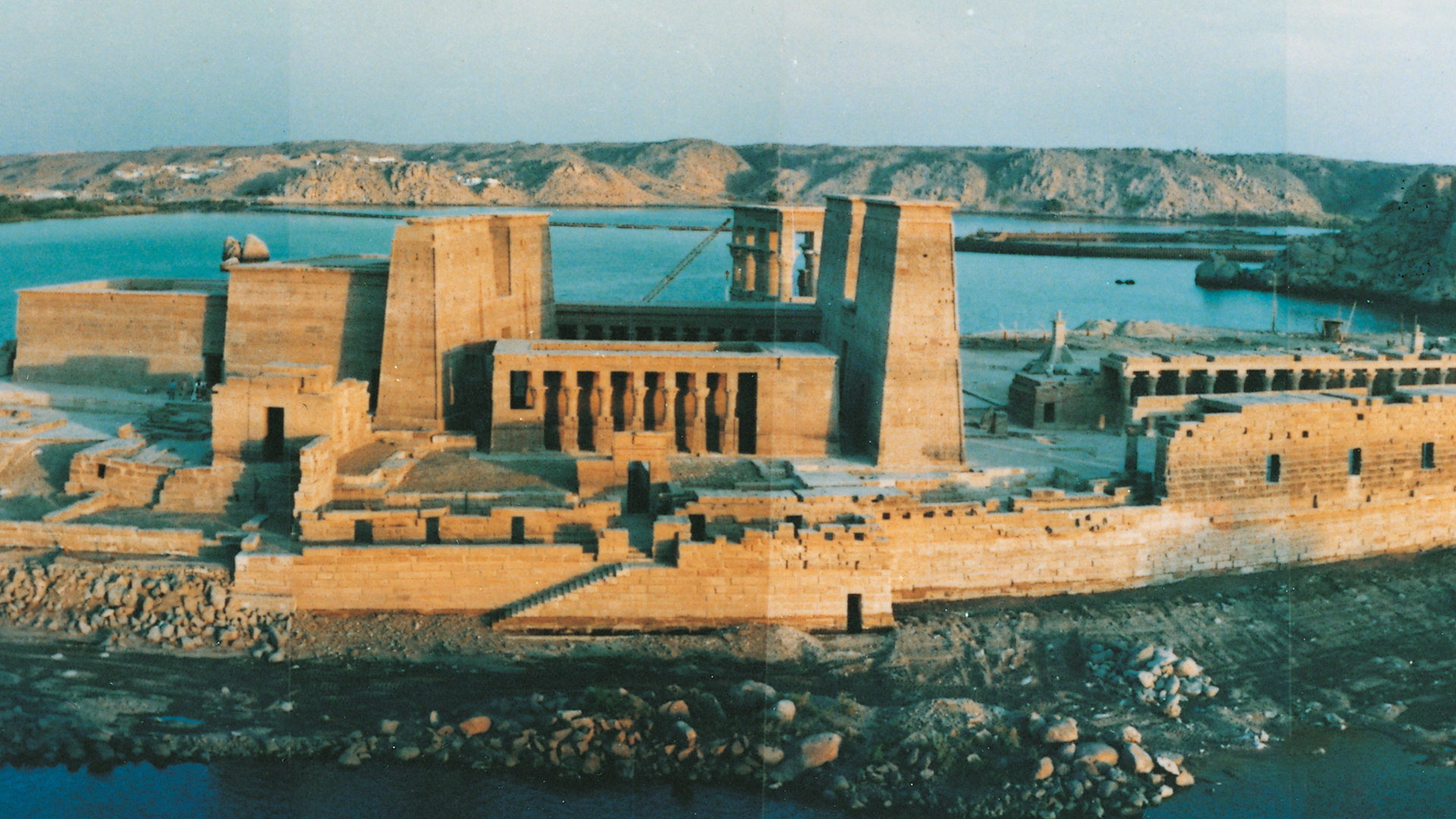
Located 8 km south of Aswan, the Philae temples were dismantled and reassembled at a new site on Agilkia Island,
approximately 500 m from their original location, following the construction of the High Dam.


AI Icon
مرحباً أنا امبيسا مساعدك الرقمي، والمصمم للإجابة على أسئلتك حول معلومات وخدمات مدينة أسوان.